

The Vera C. Rubin Observatory, home to the world’s largest digital camera, has just released its first breathtaking images of space.
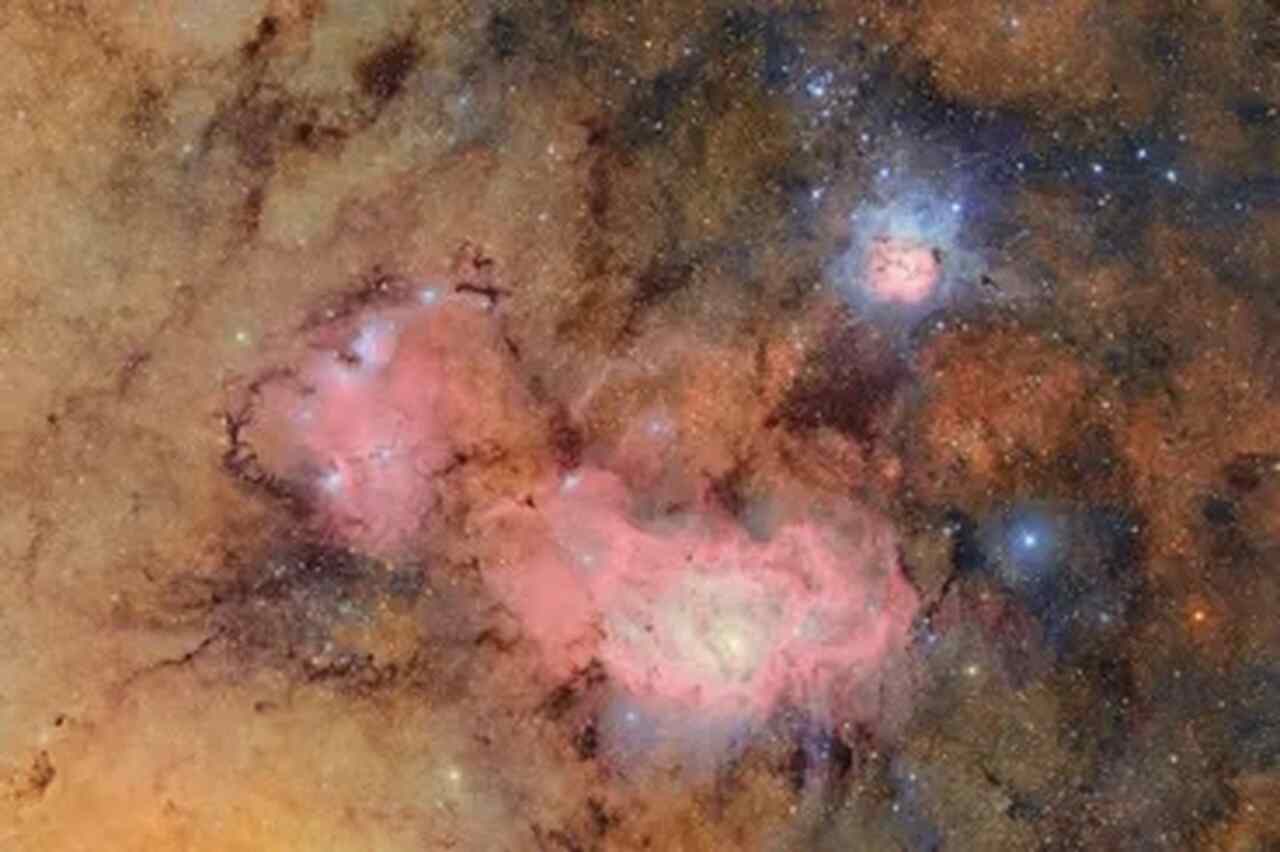
One of the photos shows the Trifid and Lagoon Nebulae, star-forming regions located thousands of light-years away in the Milky Way.
Two other images captured different aspects of the Virgo Cluster, a group of at least 1300 galaxies. Through the shots, the Rubin Observatory was able to show how interacting galaxies are connected by these gaseous links before eventually merging.
During its first 10 hours of operation, the Rubin Observatory captured millions of galaxies and recorded thousands of new asteroids.
“The NSF-DOE Rubin Observatory will collect more information about our universe than all optical telescopes in history combined,” said Brian Stone, director of the NSF, in a statement.
“Through this remarkable scientific facility, we will explore many cosmic mysteries, including dark matter and dark energy that permeate the universe.”
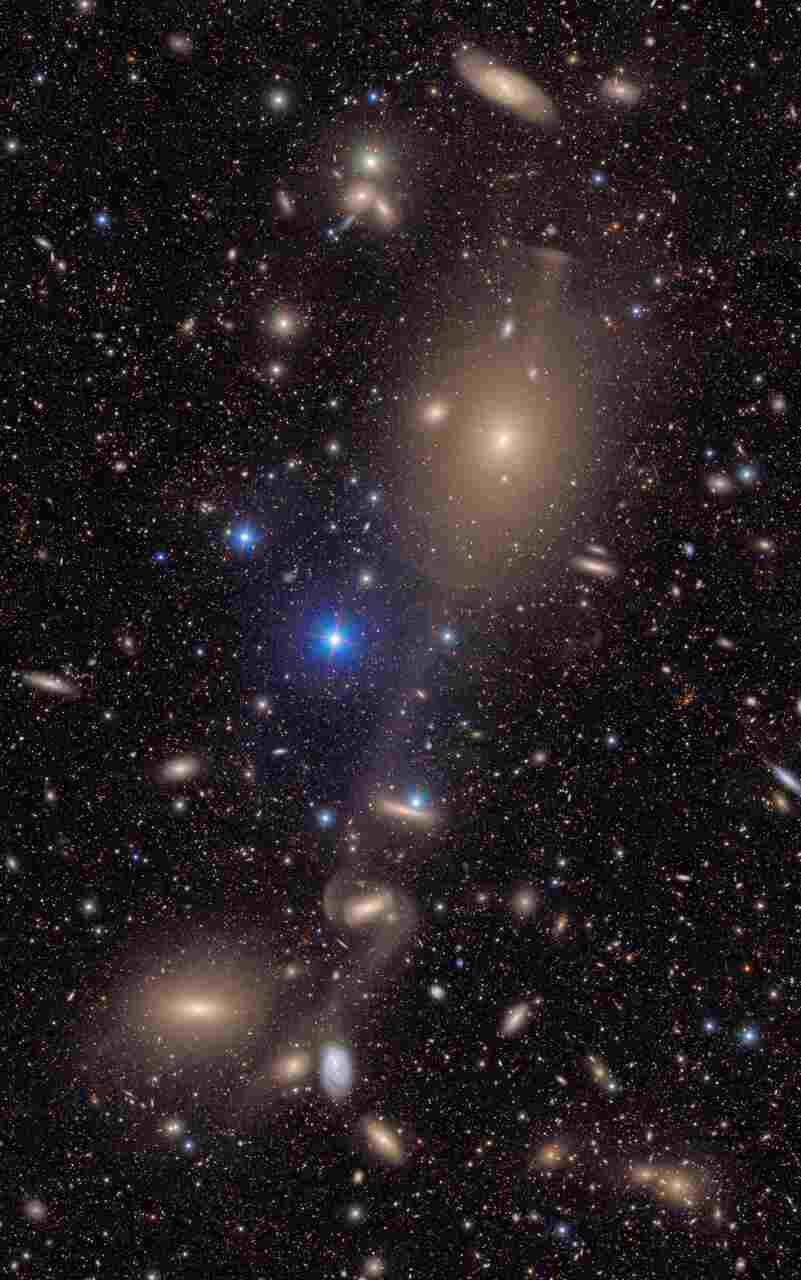
Photo and video: NSF-DOE Vera C. Rubin Observatory. This content was created with the help of AI and reviewed by the editorial team.
