
Speed, firepower, range, and real battlefield impact placed some aircraft on an almost mythical level during World War II — and some of them are still remembered today as machines that changed the course of aerial warfare.
When it comes to the deadliest fighter aircraft of World War II, there is no single perfect yardstick. Some models stood out for their number of aerial victories, others for their strategic impact, technical superiority, or ability to dominate certain fronts of the conflict. That is why this ranking considers a combination of combat effectiveness, historical importance, performance, and operational influence.
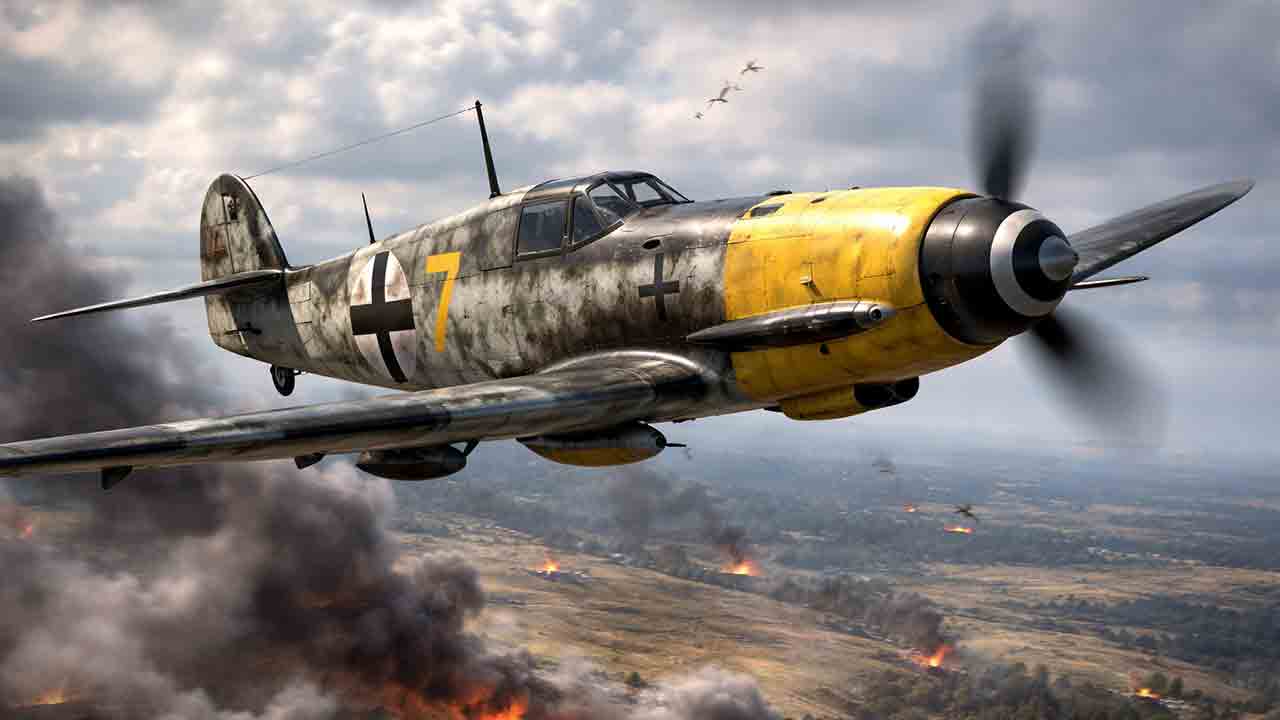
1. Messerschmitt Bf 109
The Bf 109 frequently appears at the top of any serious discussion about lethality in World War II. The aircraft was one of the pillars of the Luftwaffe and stood out both for its massive operational presence and the quantity produced. Encyclopaedia Britannica describes it as Nazi Germany’s most important fighter in terms of operational significance and production volume.
2. North American P-51 Mustang
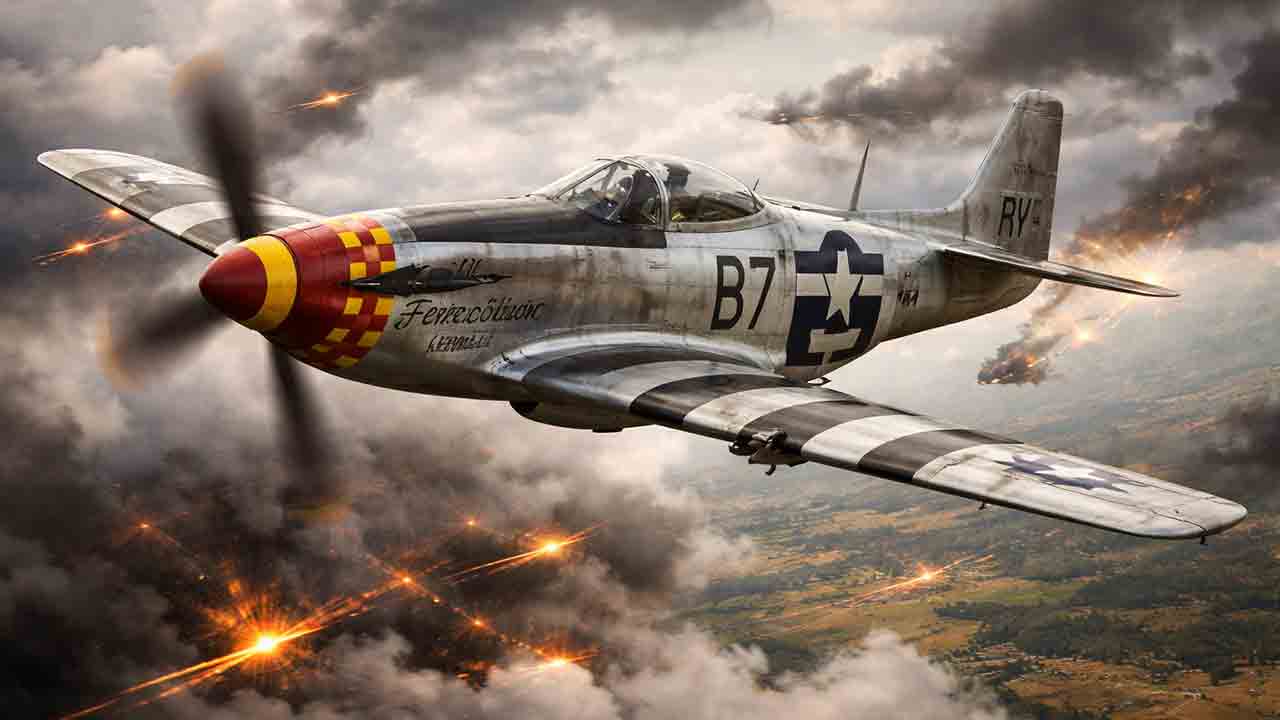
The P-51 Mustang made history not only because of its performance, but because of its direct effect on the course of the air war in Europe. According to the National WWII Museum, its greatest advantage was its range, which allowed it to escort bombers all the way to Berlin and back, reducing losses and helping the Allies consolidate control of the skies.
3. Supermarine Spitfire
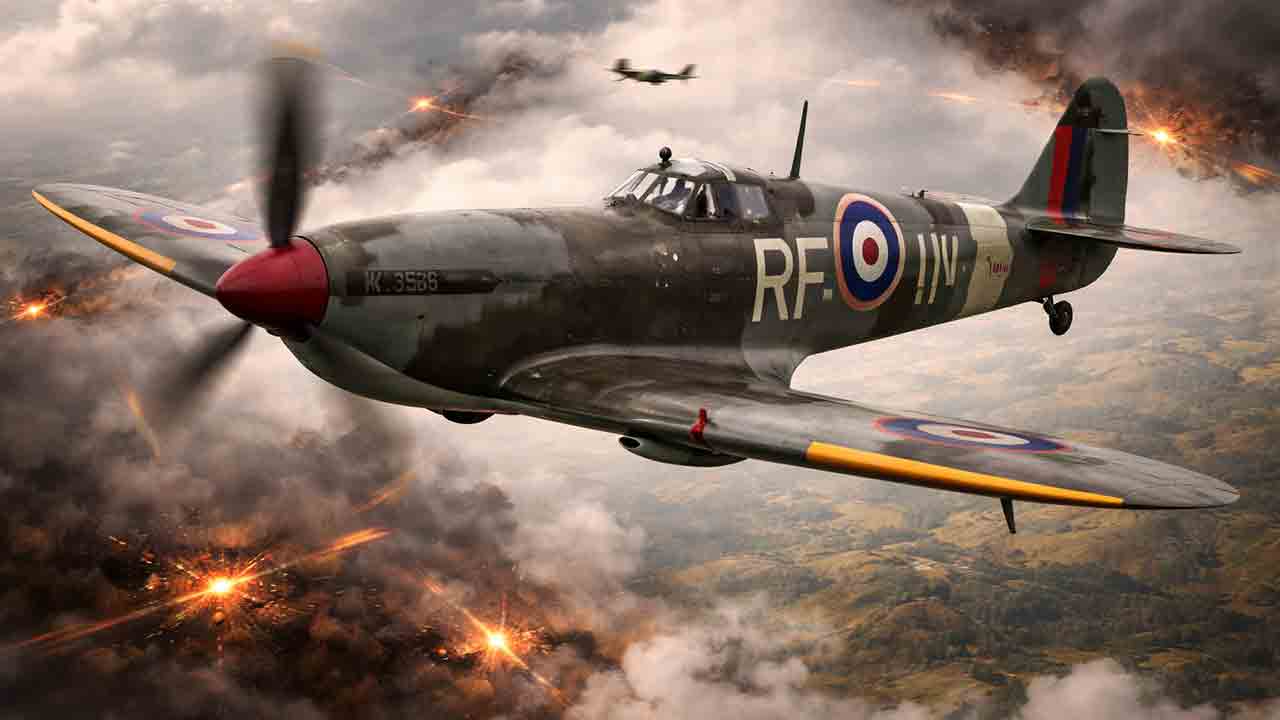
An absolute icon of British aviation, the Spitfire was decisive in the defense of the United Kingdom and remained in continuous evolution throughout the war. The Imperial War Museums highlights exactly this point: it was the only front-line Allied fighter kept in continuous development throughout the entire conflict, which helped preserve its operational relevance for years.
4. Focke-Wulf Fw 190
The Fw 190 was one of the most respected German fighters of the war. The Smithsonian classifies it as one of Germany’s principal fighters of the conflict and notes that when it appeared over northwestern France in 1941, it quickly proved its effectiveness. Robust, fast, and versatile, it earned a reputation both in air-to-air combat and in attack missions.
5. Republic P-47 Thunderbolt
Heavy, durable, and brutally armed, the P-47 Thunderbolt built its reputation on its ability to survive damage and keep fighting. Britannica points to its toughness in battle, heavy armament, and reputation as one of the most effective fighter-bombers of the entire war.
6. Lockheed P-38 Lightning
The P-38 Lightning had an unmistakable silhouette and rare versatility. Britannica notes that it served as an escort fighter, fighter-bomber, and reconnaissance platform, showing how the model adapted to different needs of the conflict, especially in theaters where range and power made a difference.
7. Mitsubishi A6M Zero
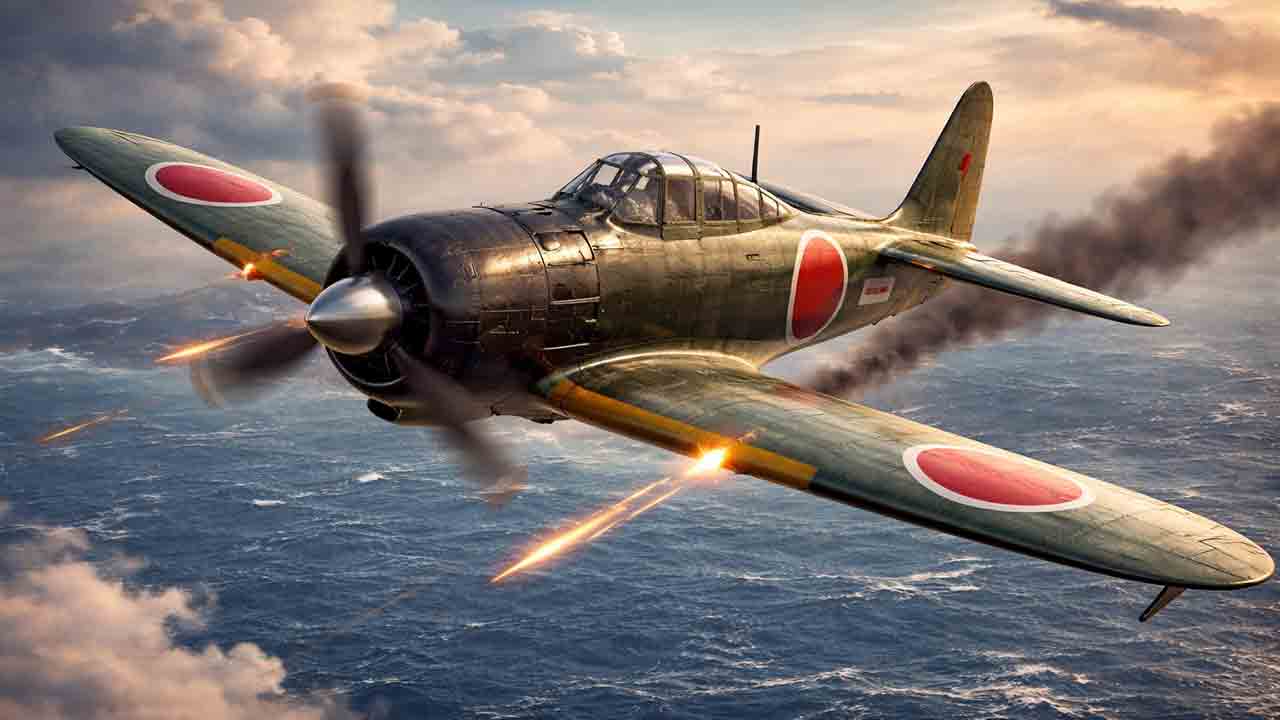
The Zero was, in the early years of the war in the Pacific, a nightmare for many opponents. Britannica notes that it was used to great effect by the Japanese and stood out for its excellent maneuverability and exceptional range, outperforming many rivals at the beginning of the conflict.
8. Grumman F6F Hellcat
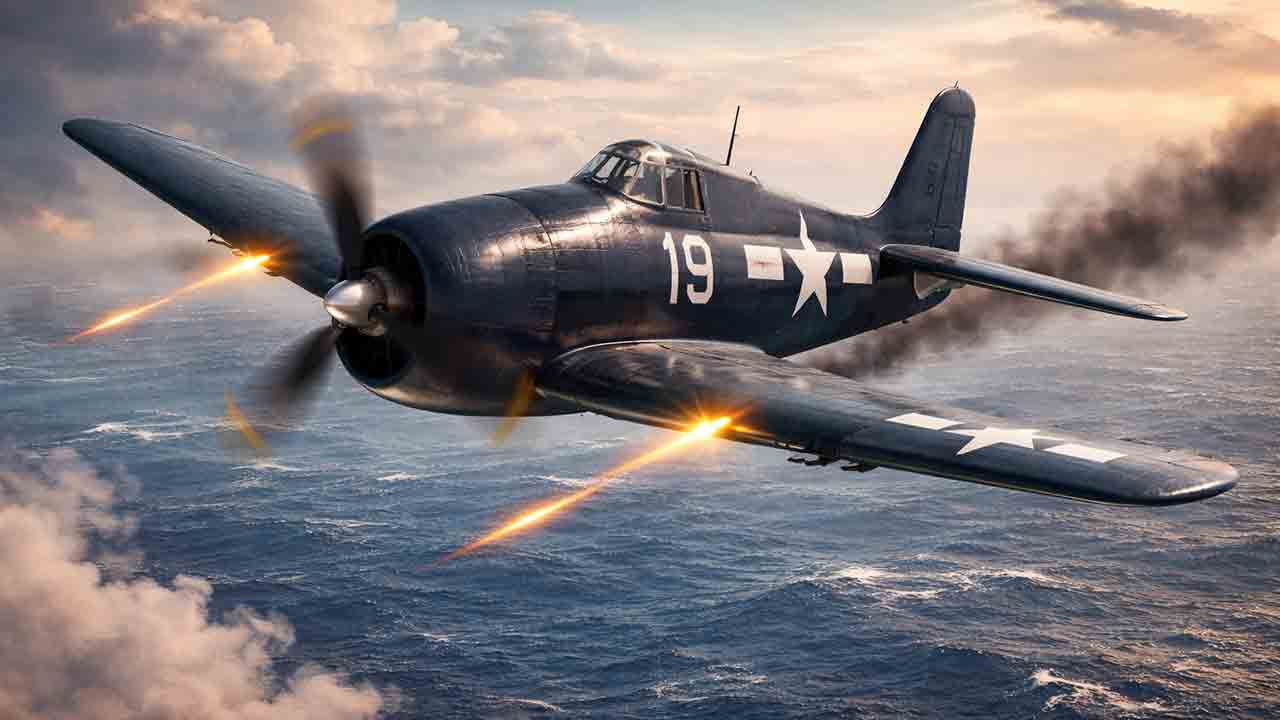
The F6F Hellcat was decisive in America’s turnaround in the Pacific. The Naval History and Heritage Command classifies it as one of the great fighters of World War II, while the Smithsonian highlights its origin as an evolution of the Wildcat designed to face the Japanese Zero more effectively.
9. Hawker Hurricane
Although often overshadowed by the Spitfire in the popular imagination, the Hurricane played a huge role in the early war years, especially during the Battle of Britain. Its historical importance means it still appears among the most relevant and destructive fighters of the conflict, above all because of the volume of combat it faced. The importance of that campaign to Britain’s survival is widely recognized by reference works such as Britannica.
10. Messerschmitt Me 262
The Me 262 may not have had enough time or numbers to dominate the war, but it was the most revolutionary fighter of the period. Britannica identifies it as Germany’s first operational jet fighter. Even though it arrived late, its presence showed the technological leap that was about to transform aerial warfare forever.
Why were these fighters remembered as the deadliest?
The answer combines four main factors: the ability to shoot down enemy aircraft, large-scale presence, technical performance, and impact on the course of the war. In some cases, such as the Bf 109, the weight comes from its enormous combat use. In others, such as the P-51 Mustang, the difference came from the strategic shift caused by its range and performance. The Zero and the Hellcat, meanwhile, represent different moments in the Pacific War: first Japanese supremacy, then the American response.
Sources: National WWII Museum, Imperial War Museums, Encyclopaedia Britannica — Smithsonian National Air and Space Museum, U.S. Naval History and Heritage Command.
