
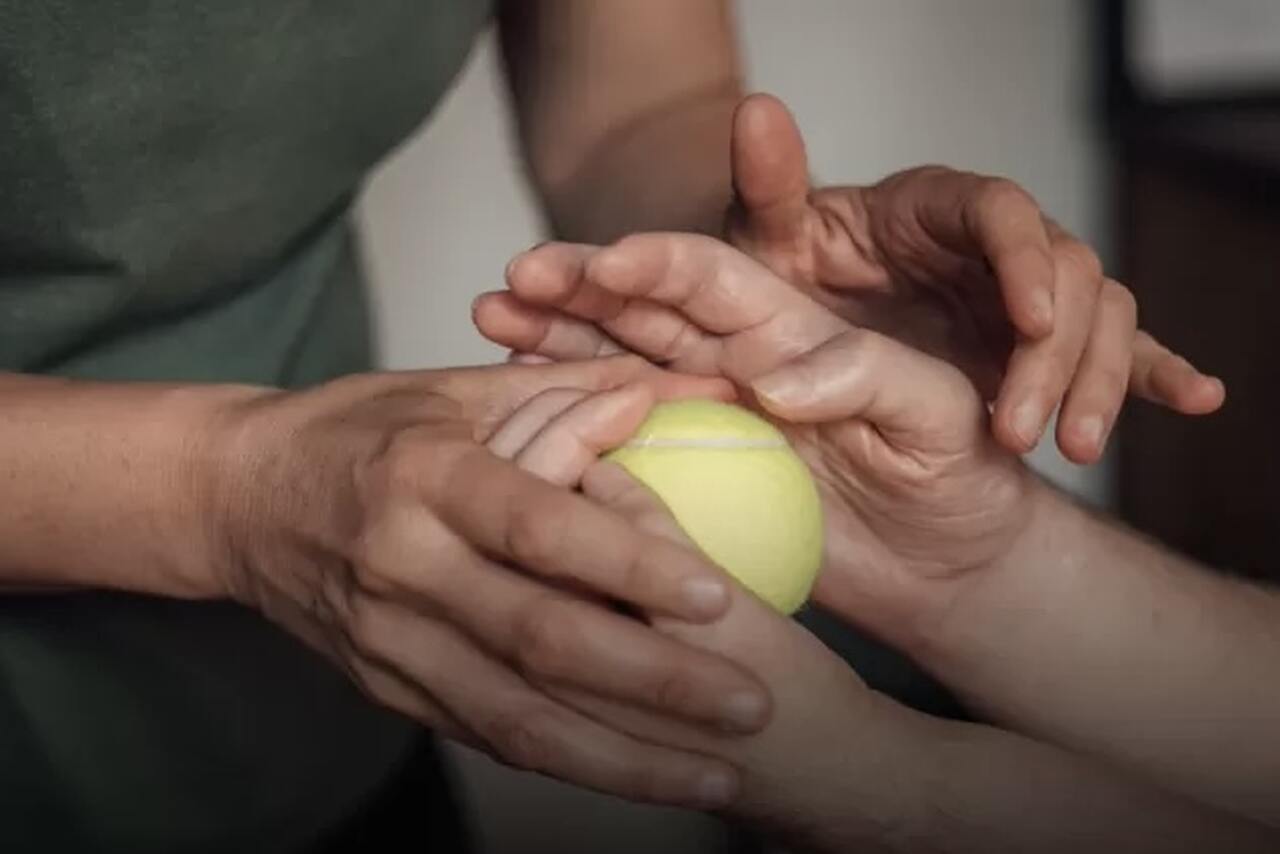
Earlier this month, the Hospital of the University of Pennsylvania in the U.S. announced the successful transplant performed on a man who had lost both his hands 17 years ago.
+ Trump Mobile quietly removes claims from its website that the phone is “made in America”
Luka Krizanac, 29, lost both hands and parts of both legs in 2008, when he was just 12 years old, due to an infection that was not properly treated.
His condition quickly developed into sepsis and multiple organ failure. He nearly lost his life, so the amputations were the medical team’s final effort to save him, according to his family.
Over the years, he received prosthetics for his lower limbs that helped him walk. Luka finished school, earned a college degree, completed a master’s in political science and business administration, and built a career in banking. But he still missed his hands.
“People often don’t realize how much we do with our hands. And I don’t just mean practical things, but surviving as human beings — even in today’s modern world,” he explained in a statement released by the University of Pennsylvania.
“Even if you try to adapt and gain confidence without hands, you always need someone to help you. […] You never have the chance to do anything by yourself, and that affects your ability to fully develop as a person.”
After the amputations, Luka’s mother heard about a man in Austria who had undergone a hand transplant. They started looking into the procedure in Switzerland, but without success.
In 2016, Scott Levin, director of the hand transplant program at the University of Pennsylvania, traveled to Switzerland to give a lecture about the program he had launched with surgeon Benjamin Chang.
The lecture was named in honor of Swiss doctor Reinhold Ganz, Levin’s former mentor, who happened to be in the audience that day and witnessed his former student’s medical progress.
Two years later, Ganz decided to call Levin to say he had found a patient to recommend for the procedure. It turned out that Luka’s father was the head of surgery at the hospital where Ganz worked.
Luka was 22 by that time, but the preparation process was lengthy and faced many delays. Things became even more complicated when the pandemic hit — and to make matters worse, Luka developed knee problems while waiting for the transplant.
He suffered from significant pain and needed reconstructive surgery on his knees before he could receive new hands. That’s because transplant patients must take immunosuppressant medications to prevent rejection, and those drugs would interfere with his knee recovery.
So Levin assembled a team that flew to Switzerland to perform Luka’s knee surgery. One year later, he was finally ready to receive his new hands.
He moved to the U.S. with his family and was placed on the waiting list for a double hand transplant. Fortunately, he was the only one on the list, and eight weeks later, a compatible donor was found.
The surgery, which took place last year, lasted more than 10 hours. The extremely complex procedure involved connecting bones, nerves, arteries, muscles, and skin. But thanks to the medical team, the operation was a major success.
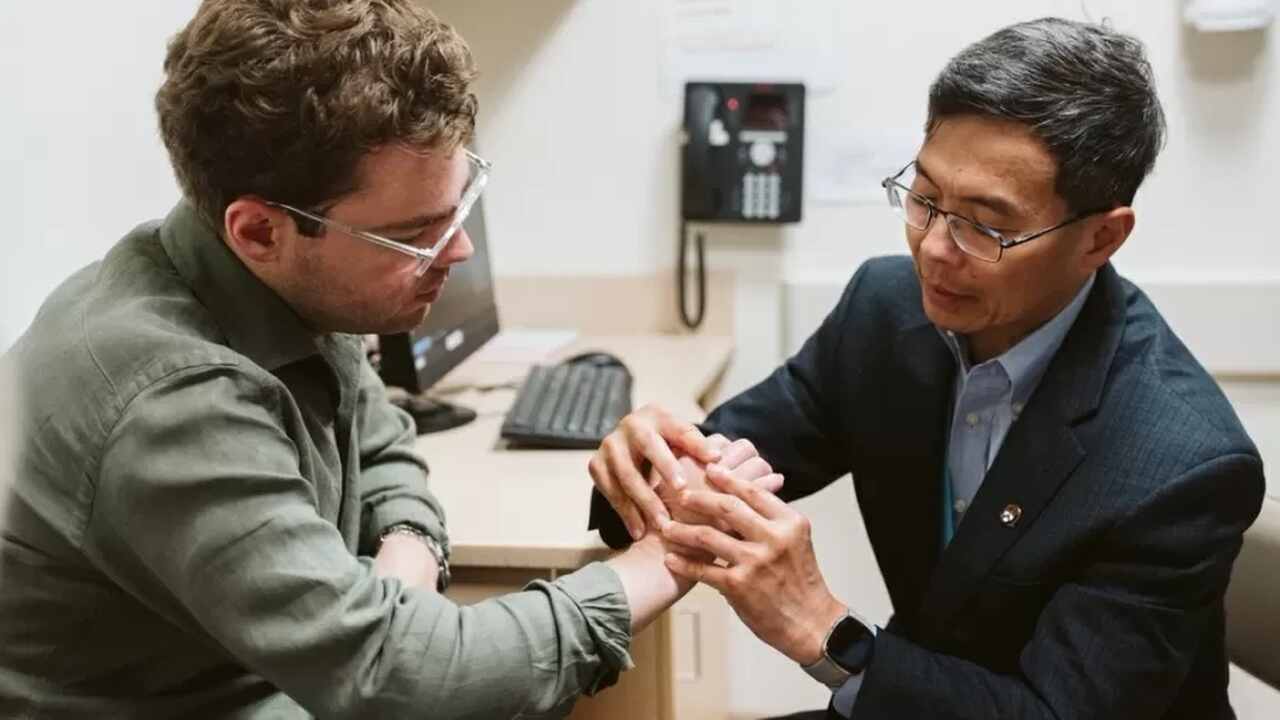
Luka’s recovery was remarkably fast. Three weeks after surgery, he could already scratch his cheek with his fingertips and adjust his glasses. The following week, he was using his phone by himself.
Luka also regained sensations — he can now feel when water is too cold. He’s still undergoing physical therapy but is excited by the progress. “Having full sensations, just feeling fingers that aren’t silicone — that’s already spectacular,” Luka said.
The medical team hopes his muscles and nerves will continue to grow and connect with the transplanted hands over the coming years, further improving his sensory and functional abilities.
Photo and video: University of Pennsylvania. This content was created with the help of AI and reviewed by the editorial team.
