
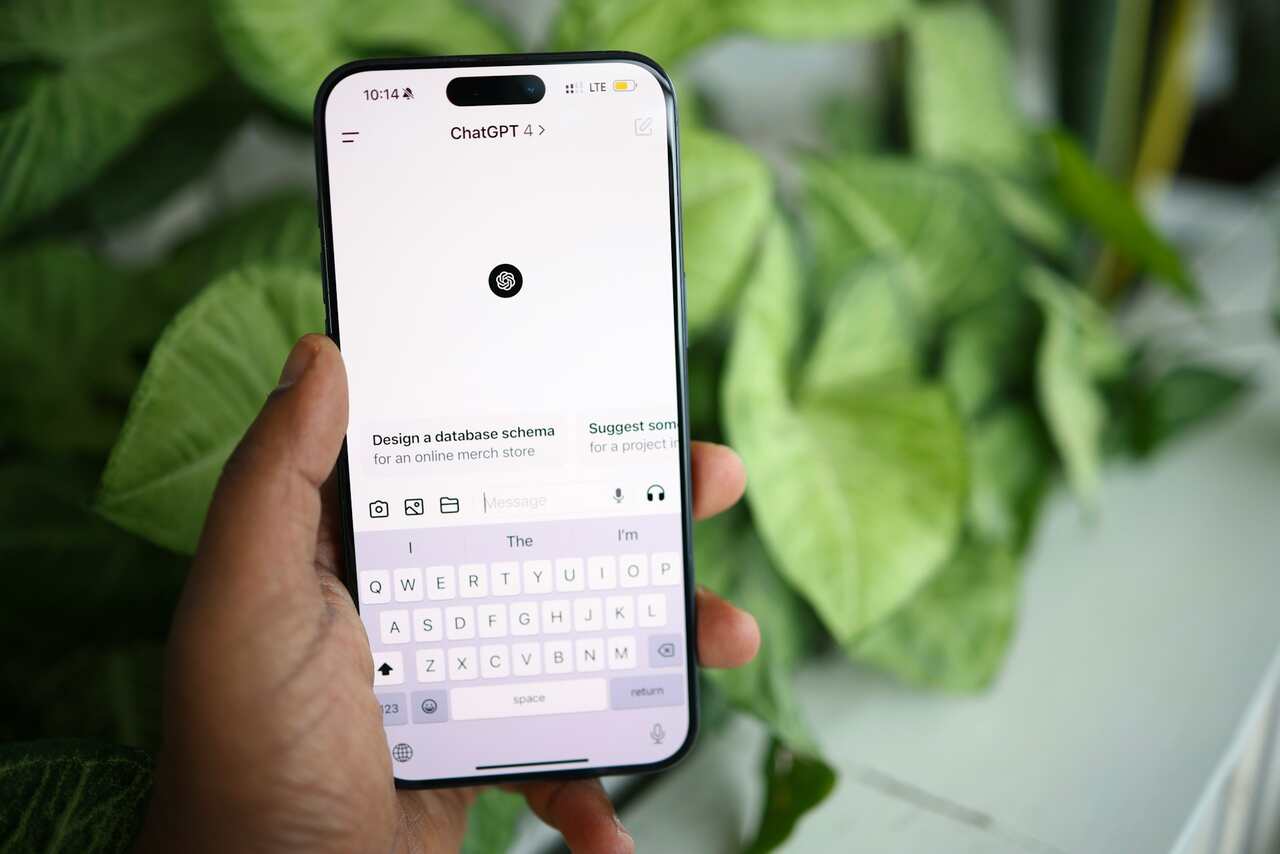
A study by MIT revealed that those who use ChatGPT a lot may face a dangerous side effect: decreased cognition.
According to the research published this month, people who use the AI chatbot extensively for writing show lower brain activity, memory difficulties, and a loss of engagement with tasks.
Researchers from the MIT Media Lab reached this conclusion through brain scans conducted on 54 volunteers aged 18 to 39 from the Boston area in the U.S.
The tests involved participants writing essays in the SAT format, the American college entrance exam. One group used ChatGPT, another only used Google search, and the rest used no tools at all.
The essay topics were varied but always related to personal experiences. The texts were written in sessions over four months while scientists monitored the participants’ brain activity using electroencephalograms (EEG).
When analyzing the results, the researchers found that participants who used ChatGPT for the sessions showed less neural engagement, low activation in areas related to creativity and memory, and a weaker connection to their own texts.
Additionally, many of them had difficulty remembering or explaining what they had written just minutes after the essay. According to the researchers, many of the volunteers became more reliant on the copy-paste function, an action that seems innocent but reduces the intellectual effort required for the writing process.
On the other hand, participants who developed their essays without using any tools showed greater brain activity, more curiosity, and higher originality in their texts. With this in mind, the researchers concluded that frequent use of AI might come with “cognitive costs.”
“These results raise concerns about the long-term educational implications of LLM dependence and highlight the need for further investigation into the role of AI in learning,” the researchers analyzed.
Photo and video: Unsplash. This content was created with the help of AI and reviewed by the editorial team.
