
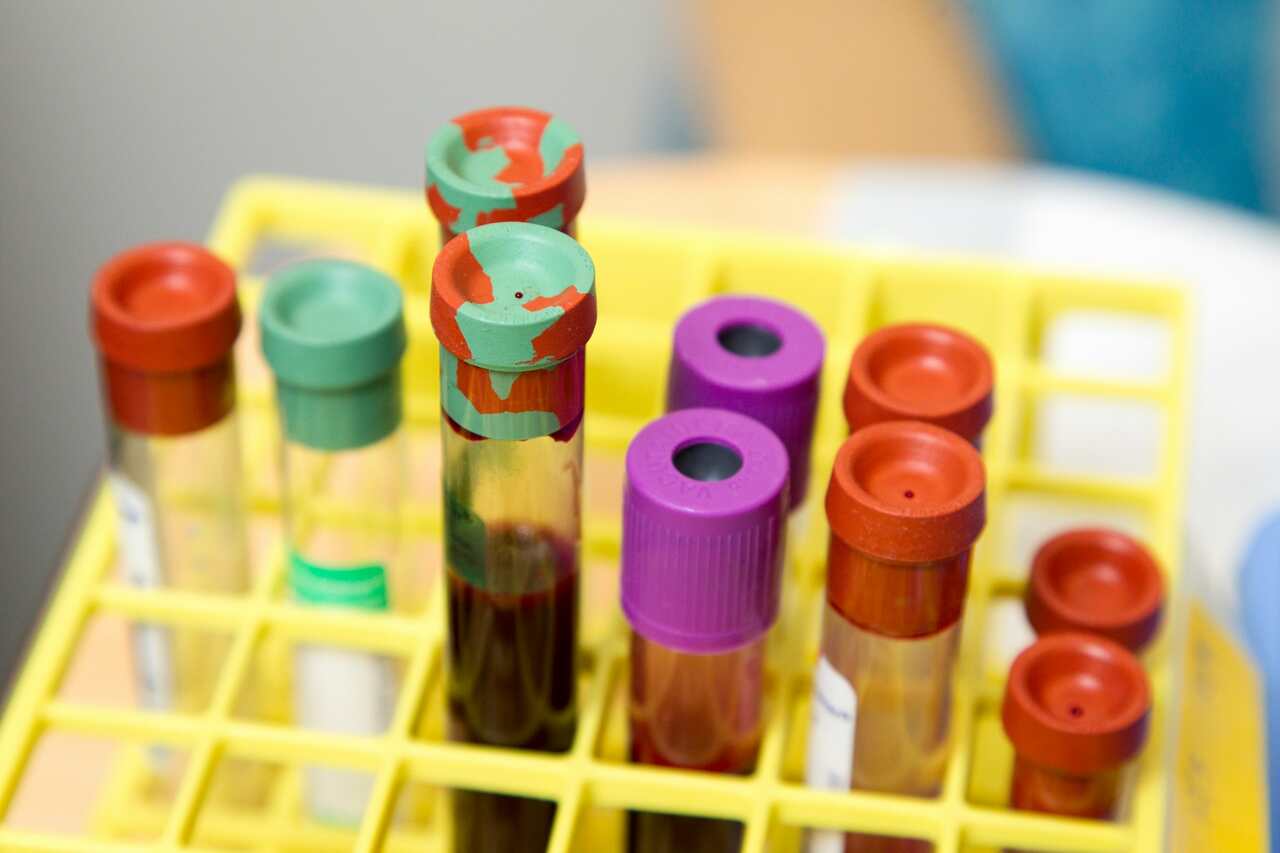
Nara Medical University in Japan has begun clinical trials of a type of “artificial blood.” If successful, this innovation could save many lives.
The trials will analyze the capability of hemoglobin vesicles, small artificial blood cells that have been confirmed to be safe and capable of supplying oxygen normally.
The study will administer between 100 and 400 ml of artificial blood cells to further test safety before moving on to broader performance and efficacy goals.
If the results are positive, artificial blood is expected to enter clinical use by 2030, potentially saving many lives and helping to address a major hospital issue worldwide.
Both high- and low-income countries are facing significant declines in their blood banks. The biggest challenge hospitals face is securing enough donors, especially those with rare blood types.
Considering Japan’s declining birth rate and increasing life expectancy, the country may face a collapse of its blood banking systems, making artificial blood an essential innovation.
Photo and video: Unsplash. This content was created with the help of AI and reviewed by the editorial team.
