
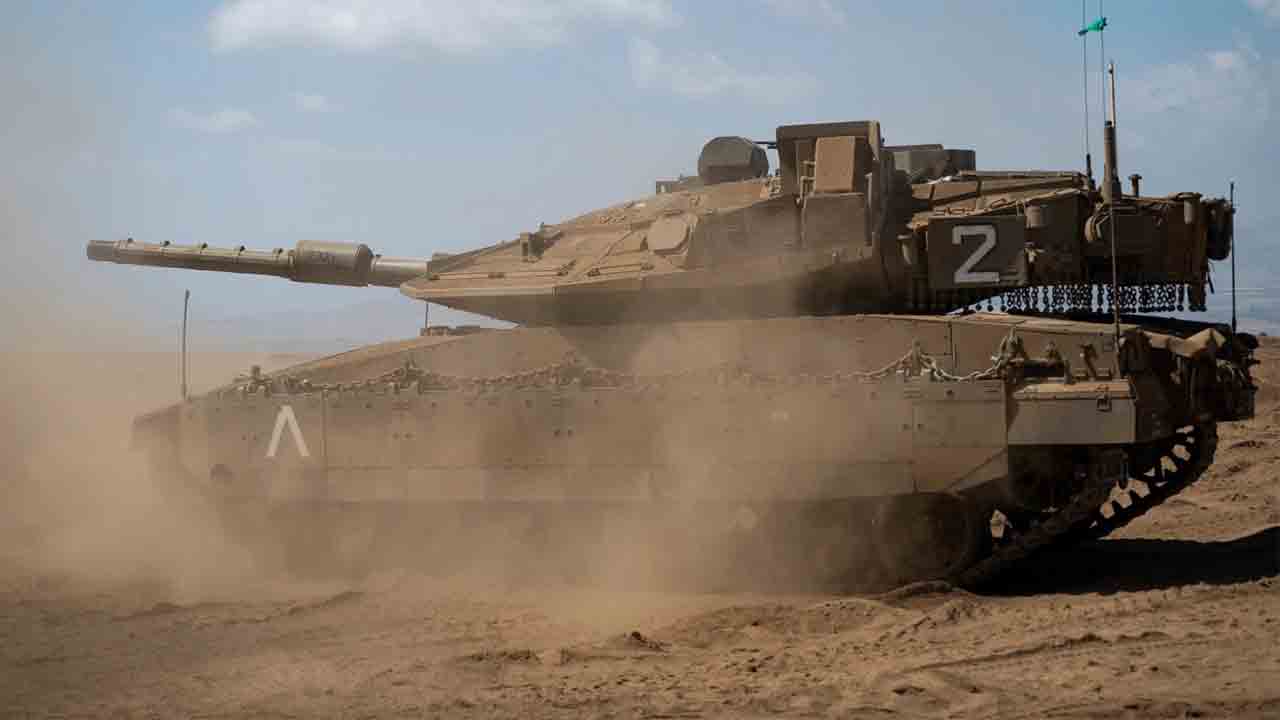
Developed to reduce external dependence and prioritize crew survivability, the Merkava family became the backbone of Israel’s armored force and continues to be updated for the modern battlefield.
The story of the Merkava began in 1970, when Israel decided to reduce its dependence on foreign tank suppliers and create its own line of armored vehicles under the Ministry of Defense. Nearly nine years later, the first Merkava Mk.1 was delivered, paving the way for a family of main battle tanks that would span decades of operational evolution. The program was initially led by General Israel Tal, often regarded as the “father” of the Merkava.
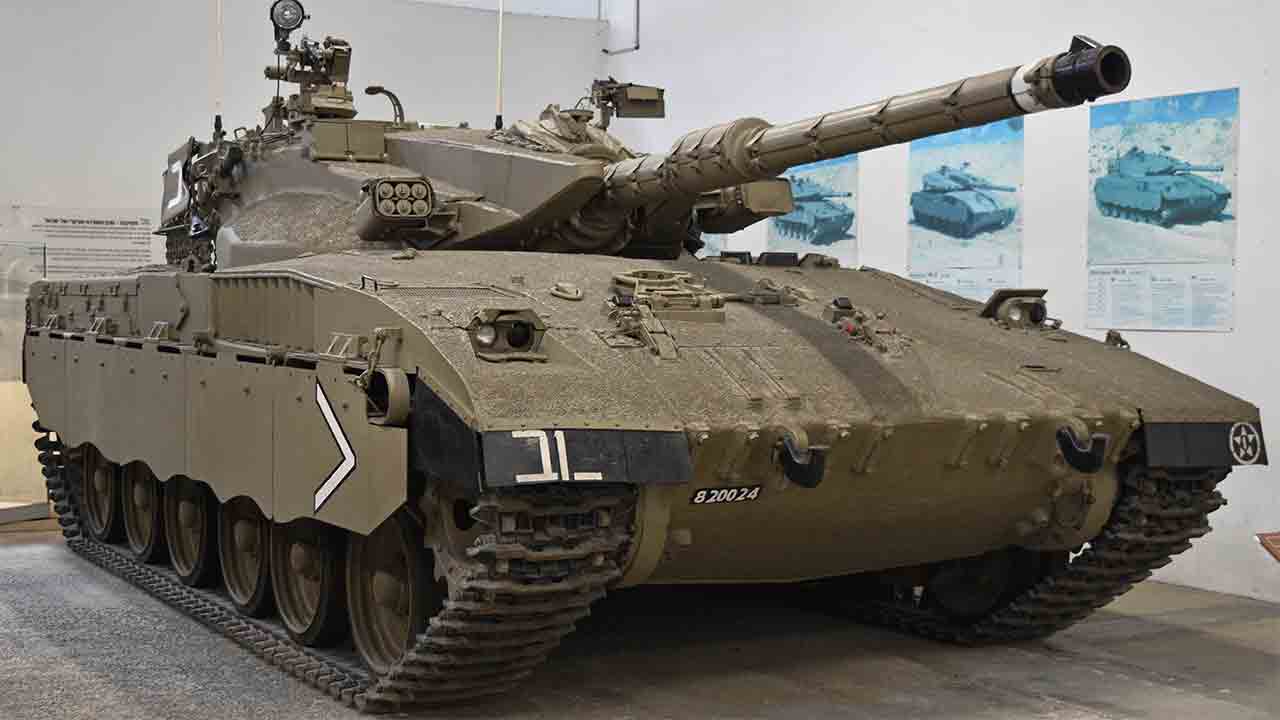
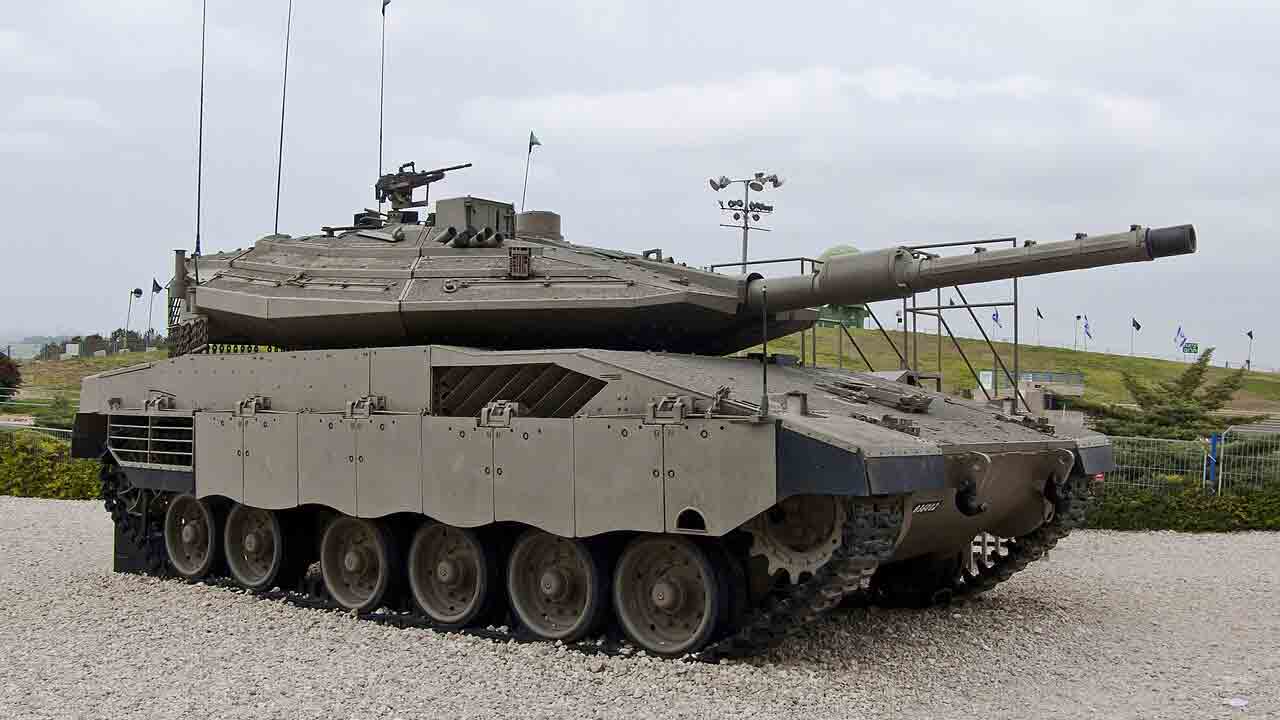
From the outset, the design followed a logic different from that adopted by many Western and Soviet tanks. The Merkava became known for its unconventional layout, with the engine compartment placed at the front and ammunition stored in the rear of the hull, a configuration intended to increase crew protection and reduce combat vulnerability. This philosophy helped turn the vehicle into a platform defined less by aesthetic innovation and more by its emphasis on survivability, repairability, and adaptation to Israel’s operational environment.
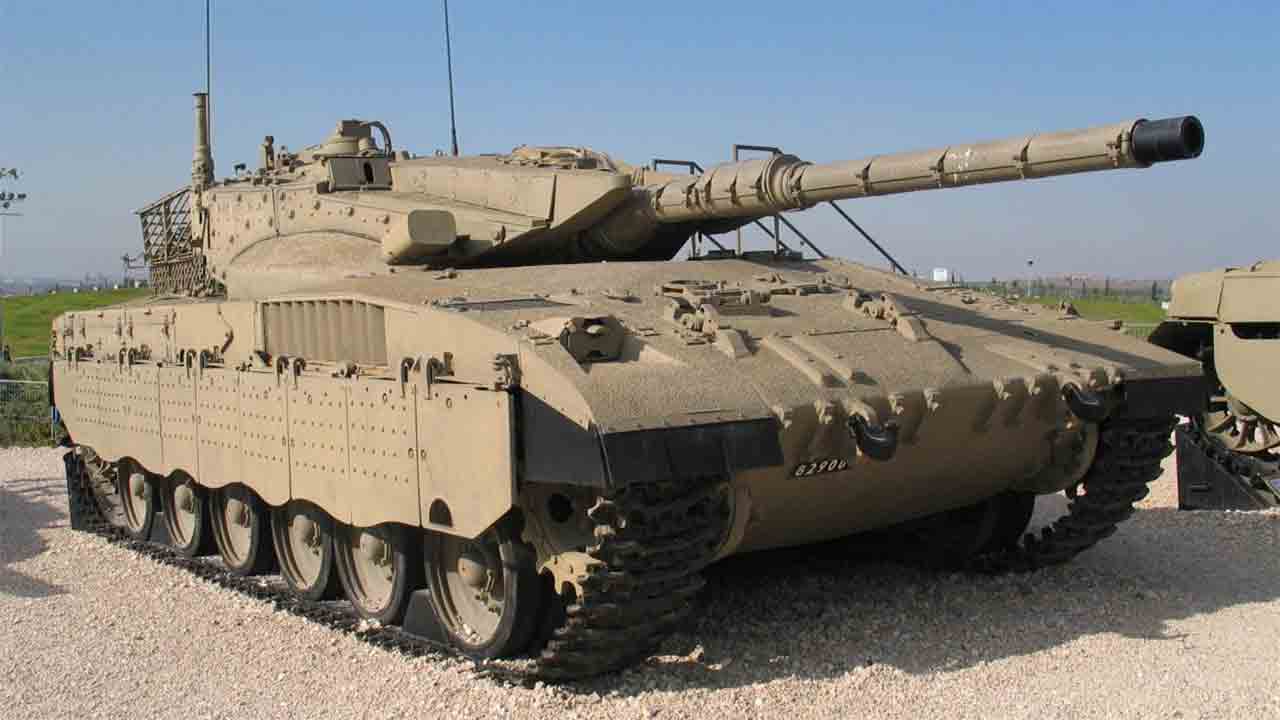
Over the years, the line advanced from the Mk.1 to the Mk.2, Mk.3, and Mk.4 generations, always incorporating lessons learned in service as well as improvements in protection, electronics, and combat capability. Israel’s Ministry of Defense itself summarizes this trajectory by saying that each new generation of the Merkava became more sophisticated and better protected, keeping pace with changes on the battlefield. Today, the Merkava Mk.4 is described by the ministry as the most current version of the classic family and one of the most advanced ever produced in the country.
The most recent stage of this evolution took public shape in September 2023, with the presentation of the first Barak tanks, described by Israeli authorities as the new generation of the Merkava. The first units were delivered to the 52nd Armored Battalion of the 401st Brigade after about five years of development. Among the highlighted features are an “intelligent” mission computer, expanded sensors, better battlefield data integration, 360-degree vision, and the IronVision system, which allows the commander to observe the external environment through a helmet-mounted display similar to those used in combat aircraft.
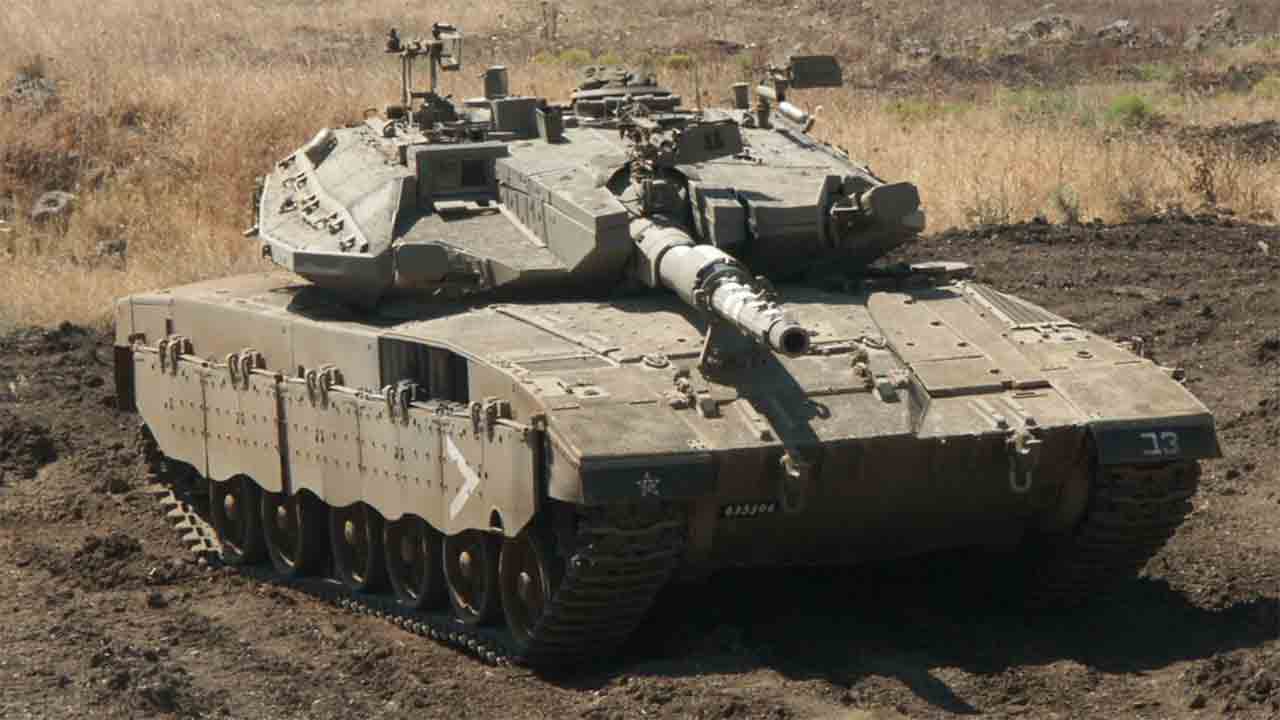
Another central element of the modernization is active protection. Israel’s Ministry of Defense says the Merkava Mk.4 reached a new level of protection with the Trophy system, while the Barak’s configuration continues this defensive layer, known in Israel as Windbreaker. In practice, this reinforces the Merkava’s position as a platform designed to face increasingly sophisticated anti-tank threats, including guided missiles and attacks in complex environments.
The strategic weight of the line also remains evident in Israel’s defense industry. In August 2025, the defense procurement committee approved a plan of approximately US$1.5 billion to expand the production of tanks and armored vehicles, while on February 26, 2026, the Ministry of Defense announced a contract worth about US$42 million for the refurbishment of Merkava tank transmissions. More than a historical symbol, the Merkava continues to be treated as a central asset of Israel’s ground warfare capability.
Source: mod.gov.il
