
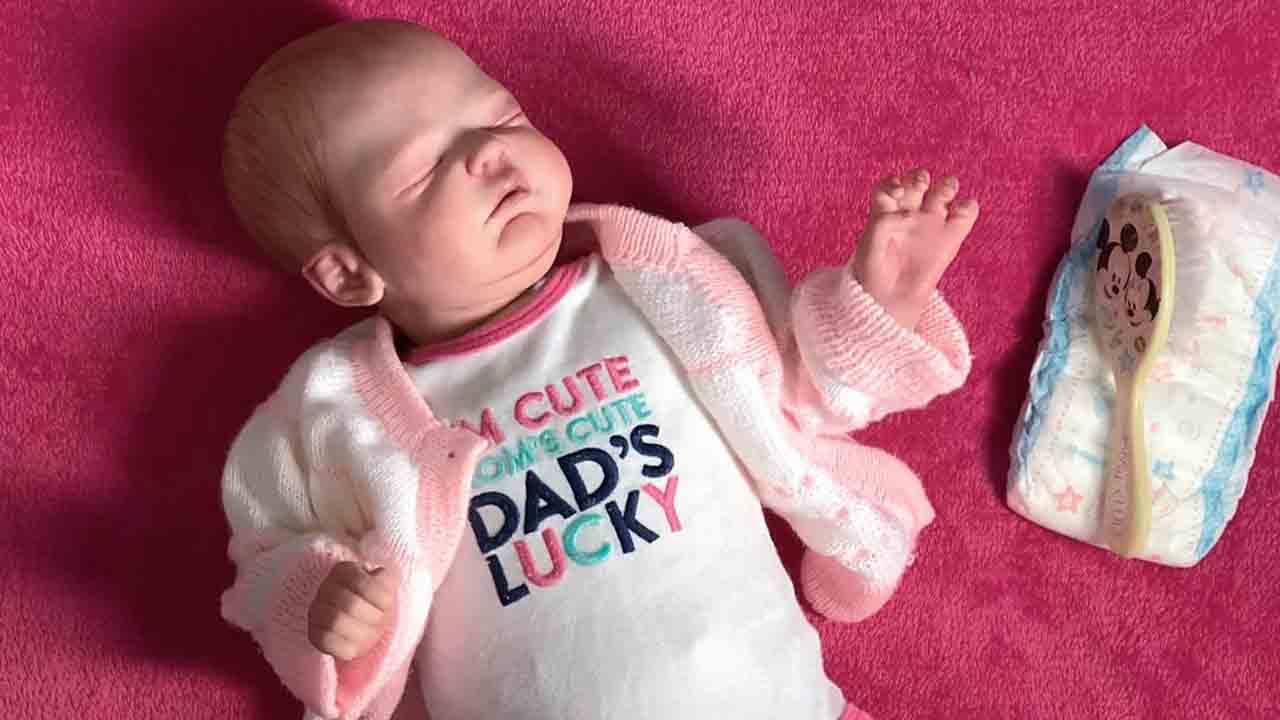
A woman took a reborn baby to be vaccinated at a health clinic in Brazil and became upset when the staff denied her request.
The incident occurred in January this year in the city of Itajaí, Santa Catarina, when a woman showed up at a Basic Health Unit (UBS) with her 4-year-old daughter and a reborn doll to simulate a vaccination on the doll.
According to the local municipality, the clinic staff denied the request, which the woman claimed came from her daughter. Apparently, her intention was to film the reborn baby receiving the shot to post it on social media.
Health professionals explained that vaccinating a doll would waste supplies purchased with public funds and meant exclusively for human use.
When the staff refused, the woman allegedly became irritated and said: “Just open a syringe, just open a needle and pretend you gave it.” In a statement, the city said that “all professionals, including the vaccinator, refused” to carry out the simulation.
The woman then left the clinic visibly agitated. “The clinic’s management issued a notice to other units at the time, warning them that the woman might try to request care for the ‘reborn’ baby elsewhere.”
Although the incident happened in January, the topic of reborn babies is trending again. Many women who “raise” reborn babies as if they were real children have gone to clinics to film medical care scenes with the dolls.
The growing number of similar cases has inspired bills in Brazil against these practices. For example, in Curitiba, reborn baby owners have been banned from using priority seats on buses.
A bill presented last week in the Chamber of Deputies aims to prevent “parents” of reborn babies from gaining advantages in the Public Health System (SUS), such as priority care.
The proposed law includes a ban on doll vaccinations, with fines ranging from five to twenty minimum wages, depending on the offender’s financial status and the seriousness of the conduct. In cases of repeat offenses, the fine will be doubled.
Photo and video: Freepik. This content was created with the help of AI and reviewed by the editorial team.
